Cheap insurance is more than just a budget-friendly option; it’s a critical component of smart personal finance planning. Understanding how to navigate the world of affordable insurance can lead to substantial savings while still ensuring adequate protection across various aspects of life, including auto, health, and home insurance. By debunking common myths and misconceptions, we can clarify what cheap insurance truly entails and why it deserves your attention.
The landscape of cheap insurance offers a myriad of choices, but it’s essential to grasp the underlying factors influencing premium rates. From personal decisions to provider comparisons, this guide will equip you with the knowledge necessary to secure the best deals without compromising coverage quality.
Understanding Cheap Insurance
Cheap insurance refers to affordable insurance policies that provide essential coverage at a lower cost. This aspect of personal finance plays a significant role in ensuring that individuals and families can protect their assets and health without straining their budgets. The importance of cheap insurance lies in its ability to make necessary coverage accessible to a broader audience, allowing them to mitigate financial risks while maintaining their financial stability.Various types of cheap insurance are available to cater to diverse needs. It is essential to recognize these types to make informed decisions regarding personal coverage. Common categories include auto insurance, health insurance, and home insurance. Each category serves a distinct purpose and varies in terms of coverage limits, deductibles, and premiums.Types of Cheap Insurance
Understanding the different types of cheap insurance can help individuals choose the best options for their specific circumstances. Here are the primary categories:- Auto Insurance: This type of insurance protects vehicle owners from financial loss due to accidents, theft, and damage. Many companies offer budget-friendly plans that comply with state minimum requirements, enabling drivers to meet legal standards without excessive spending.
- Health Insurance: Affordable health insurance plans are crucial for covering medical expenses. Several options, such as high-deductible plans and Medicare Advantage plans, provide basic coverage at lower monthly premiums, making healthcare more accessible to individuals and families.
- Home Insurance: Homeowners can find cheap insurance to protect their property from theft, fire, and natural disasters. Policies vary in coverage levels, but many insurers offer basic plans that can be tailored to fit budgetary constraints while still providing essential protection.
Common Misconceptions About Cheap Insurance
Misunderstandings can lead to poor decision-making regarding insurance. Some prevalent misconceptions include:- Cheap Insurance Equals Poor Coverage: Many assume that lower premiums correlate with minimal protection. However, numerous affordable policies provide adequate coverage, meeting essential needs without excessive costs.
- All Cheap Insurance Policies Are the Same: Insurance policies vary widely in terms of coverage, limits, and exclusions. Comparing policies thoroughly can reveal substantial differences in what is offered, even at lower price points.
- Only High Premiums Offer Good Service: The assumption that only expensive plans come with superior customer service is incorrect. Many budget-friendly providers prioritize customer service and satisfaction, offering support that rivals that of more expensive insurers.
Factors Influencing Cheap Insurance Rates
Insurance rates are influenced by a multitude of factors that can either increase or decrease premiums. Understanding these factors is crucial for consumers seeking affordable options. By analyzing variables such as personal choices, demographics, and the specific policies offered by different providers, individuals can make informed decisions that lead to significant savings on their insurance expenses.One of the primary factors affecting insurance premiums is the risk assessment performed by insurers. This assessment takes into account various elements, including age, location, driving history, credit score, and the type of coverage selected. Insurers utilize algorithms and statistical models to evaluate the likelihood of claims based on these characteristics.Key Factors Affecting Insurance Premiums
Several specific factors play a pivotal role in determining the rates set by insurance providers. Understanding these can empower consumers to leverage their personal circumstances for better rates.- Age and Gender: Younger drivers generally pay higher premiums due to perceived higher risk. Statistically, males tend to be involved in more accidents than females, influencing the rate differentials.
- Location: Insurance costs vary significantly based on geographical location. Areas with higher crime rates or accident frequencies tend to have higher premiums.
- Driving History: A clean driving record can lead to lower premiums. Conversely, accidents or traffic violations can result in increased rates.
- Credit Score: Insurers often use credit scores as a measure of reliability. A higher credit score can lead to lower premiums, while a lower score can escalate costs.
- Type of Vehicle: The make and model of the insured vehicle play a critical role in determining premiums. High-performance vehicles or those with a history of theft may attract higher rates.
- Coverage Type and Deductibles: The level of coverage selected and the chosen deductible amount directly influence the premium. Higher deductibles usually mean lower premiums.
Impact of Personal Choices on Insurance Costs
Personal decisions significantly affect the overall cost of insurance. These choices range from the type of coverage selected to lifestyle habits.- Policy Selection: Opting for a minimal coverage plan can result in lower premiums, but may leave individuals underinsured in the event of an accident.
- Bundling Policies: Many insurers offer discounts for bundling multiple types of insurance, such as home and auto, which can reduce overall costs.
- Participation in Safety Programs: Enrolling in defensive driving courses or safety programs can lead to discounts, as they demonstrate a commitment to safe driving.
- Annual Review of Policies: Regularly reviewing and comparing insurance policies can reveal better options or discounts that were not previously utilized.
Comparison of Insurance Rates Among Providers
Different insurance providers may offer varying rates for similar coverage. Conducting a thorough comparison based on specific criteria can uncover the most economical choices available in the market.- Premium Rates: It’s essential to compare the base premium rates across multiple insurers to find the best deal.
- Discounts Offered: Some providers may offer unique discounts that can reduce premiums significantly, including multi-policy discounts, loyalty programs, or discounts for safe driving.
- Coverage Options: An analysis of the coverage options provided by each insurer is crucial, as less comprehensive plans may yield lower rates but leave gaps in protection.
- Customer Service Ratings: Evaluating customer service ratings and claims handling efficiency can provide insight into the value of the insurance policy beyond just price.
Tips for Finding Cheap Insurance
Finding affordable insurance requires diligence and strategy. By using effective methods to compare rates, negotiate better deals, and maximize discounts, individuals can significantly reduce their insurance costs without compromising on coverage. This guide provides actionable tips to help navigate the insurance landscape.Step-by-Step Guide for Comparing Insurance Offers
When searching for cheap insurance, comparing different offers is crucial. This process helps identify the best rates and coverage options tailored to individual needs. Here’s a structured approach to effectively compare insurance offers:- Determine Coverage Needs: Assess the type and level of coverage required based on personal circumstances, such as property, health, or auto insurance.
- Collect Multiple Quotes: Use online comparison tools or contact various insurance providers to gather at least three to five quotes.
- Evaluate Policy Details: Analyze the coverage limits, deductibles, and exclusions Artikeld in each quote to ensure they meet your needs.
- Check Financial Stability: Research the financial strength and customer service ratings of the insurance companies through resources like A.M. Best and J.D. Power.
- Review Customer Feedback: Look for reviews and testimonials from policyholders to gauge satisfaction and claims handling.
Strategies for Negotiating Better Rates with Insurance Companies, Cheap insurance
Negotiating with insurance companies can lead to more favorable rates. Utilizing effective negotiation strategies can help secure lower premiums. Consider the following tactics:"Knowledge is power; understanding your current policy, market rates, and available discounts can significantly enhance negotiation outcomes."1. Do Your Research: Equip yourself with information about average rates for similar coverage in your area. This data empowers you during negotiations. 2. Leverage Loyalty Discounts: If you have been a long-term customer, mention your loyalty to negotiate a better rate or ask about loyalty discounts. 3. Bundle Policies: Many insurers offer discounts if you purchase multiple policies (e.g., auto and home insurance) from them. Ask about bundling options to save more. 4. Adjust Deductibles: Sometimes increasing your deductibles can lower your premium. Discuss this option with your insurer to see if it fits your financial situation.
Tips on Maximizing Discounts and Saving on Premiums
Maximizing discounts is an effective way to lower insurance costs. Here are key strategies to achieve this:"Taking advantage of all available discounts can lead to substantial savings on your insurance premiums."1. Safe Driving Records: Maintaining a clean driving record can qualify you for safe driver discounts with auto insurance providers. 2. Home Safety Features: Installing security systems, smoke detectors, or other safety features in your home can often reduce homeowner’s insurance premiums. 3. Membership Discounts: Some organizations, like alumni associations or professional groups, offer discounted rates with specific insurers. Check if you qualify. 4. Annual Review of Policy: Regularly reviewing your insurance policy ensures you are aware of all available discounts and changes to your situation that may affect your rate.By implementing these tips and strategies, individuals can take significant strides toward finding and securing cheap insurance that meets their needs while providing adequate coverage.
The Risks of Choosing Cheap Insurance
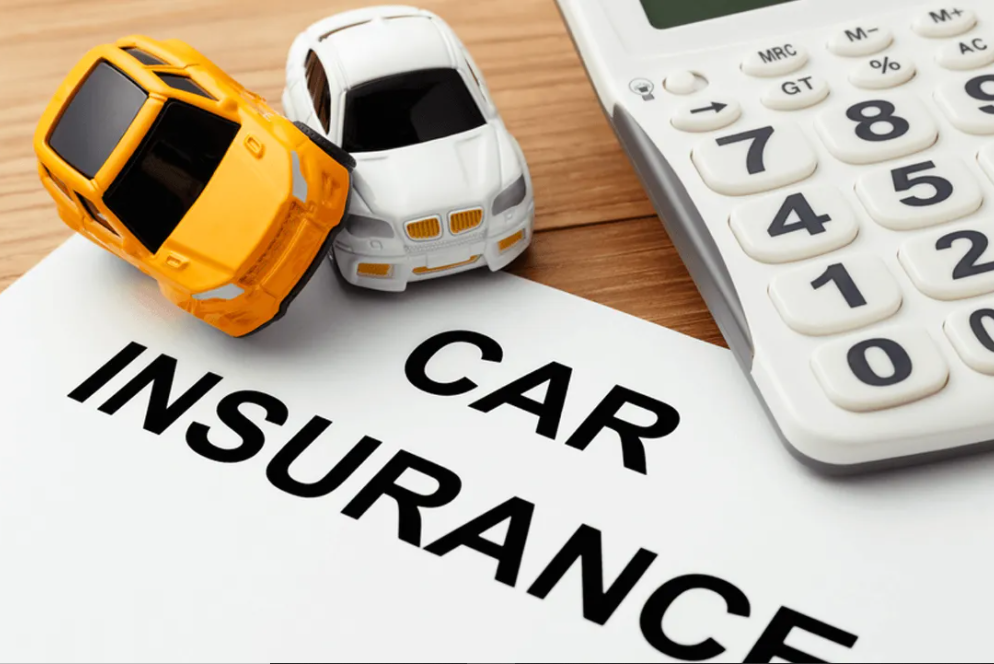
Potential Pitfalls of Cheap Insurance Options
Choosing the cheapest insurance often results in inadequate coverage, which can have dire financial implications during times of crisis. Many individuals underestimate the importance of understanding policy details, leading to decisions that may leave them vulnerable. The following points Artikel the risks associated with selecting low-cost insurance:- Limited Coverage: Cheap insurance policies often come with reduced coverage limits, which means that in case of an accident or disaster, the payout may not cover the full extent of the damages.
- High Deductibles: Low-cost plans frequently feature higher deductibles, which require policyholders to pay more out-of-pocket before the insurance starts to pay. This can lead to significant financial strain in times of need.
- Exclusions and Gaps: Many affordable policies may have numerous exclusions that limit the types of incidents covered, potentially leaving policyholders unprotected in critical situations.
- Subpar Customer Service: Insurers offering the lowest rates may not provide adequate customer support or claims assistance, resulting in frustration and delays when one needs it the most.
Importance of Balancing Cost and Coverage
It is crucial to find a balance between affordability and comprehensive coverage in order to safeguard assets and finances effectively. Individuals should assess their specific needs and risks before making a decision. This balance ensures that while costs are managed, potential financial risks are mitigated. The following considerations can aid in evaluating insurance options:- Assess Individual Needs: Evaluate personal circumstances, assets, and potential risks to determine the necessary coverage level. For instance, a homeowner in a flood-prone area may require additional flood insurance.
- Review Policy Details: Thoroughly read through policy documents to understand coverage limits and exclusions. Ensure that the policy aligns with personal needs.
- Consult an Insurance Agent: Seeking advice from a qualified professional can provide valuable insights into the best coverage options available within a reasonable budget.
- Consider Long-Term Costs: Sometimes, investing a bit more upfront can save significant expenses in the long run by providing better coverage and preventing financial losses.
Real-Life Scenarios of Financial Loss Due to Cheap Insurance
Many individuals have encountered severe repercussions after choosing the cheapest insurance option available. Real-life examples highlight the dangers of inadequate coverage:- A young couple opted for a low-cost health insurance plan that featured high deductibles and limited benefits. After a medical emergency, they faced staggering out-of-pocket expenses that far exceeded their initial savings.
- A small business selected a minimal liability insurance policy to save money. When a customer was injured on their premises, the claim exceeded their coverage limits, resulting in financial devastation.
- A homeowner purchased a cheap home insurance policy without understanding its exclusions. After a fire caused significant damage, they discovered that their policy did not cover fire damage caused by negligence, leaving them to bear the full cost of repairs.
Choosing the cheapest insurance can lead to inadequate protection and significant financial losses. It’s vital to invest in policies that provide the necessary coverage to safeguard against unforeseen events.
FAQ Summary
What is cheap insurance?
Cheap insurance refers to affordable coverage options that provide basic protection without high premiums, often tailored to meet specific needs.
Are cheap insurance policies always good?
Not always; while they save money, they may come with limited coverage or higher deductibles, so it's important to evaluate the policy carefully.
How can I find the best cheap insurance?
Compare quotes from multiple providers, assess coverage options, and look for discounts to find the best cheap insurance tailored to your needs.
What factors affect my insurance rates?
Factors include your age, location, driving record, credit score, and coverage levels, all of which can significantly influence premium costs.
Is it worth it to negotiate insurance rates?
Yes, negotiating rates can lead to better deals and discounts, making it a worthwhile effort to reduce your insurance expenses.
If you're looking for comprehensive support in Spanish, freeway insurance español offers you the resources you need to navigate your insurance options effectively. Understanding your coverage is crucial, especially when it comes to making informed decisions about your policy.
Finding the right coverage can be daunting, but searching for insurance near me makes it easier to locate agents and services in your vicinity. Local options not only save time but also provide tailored solutions that cater to your specific needs.